
Archive

2026 Paid Search Trends

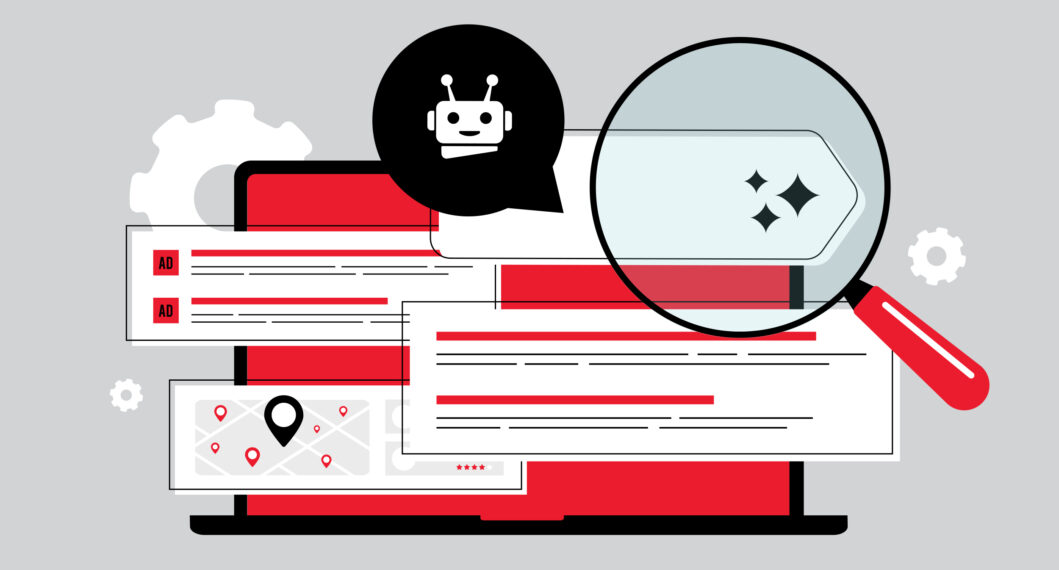
paid search trends featured image, visual representation of a user seeking a way forward

2026 is shaping up to be one of those years where we are leaping into transformation rather than stepping into it. AI continues to evolve at breakneck speed, reshaping search, customer journeys, and how brands earn visibility. Here are the key paid search trends shaping the year ahead.

Google Shifts from Key Words to Conversations

Google is rapidly transforming how paid search works, moving beyond traditional keyword matching and toward AI systems that interpret full conversations. Instead of showing ads based on a single query, Google now reads context, intent, and follow-up questions to determine which ads appear and when. 

A key component of this shift is Google’s Performance Max campaigns, which run across all Google channels, including Search, YouTube, Display, Discover, Gmail, and Maps. Google determines when ads should appear by optimizing bidding, placements, and creative combinations in real-time. It evaluates audience behavior, search intent, and signals from your website to decide the best ad to show.

Marketers can no longer rely solely on keyword lists. Google’s AI relies on signals such as audience intent, browsing behavior, and particularly the quality of a brand’s first-party data. Clean data (think accurate, complete and consistent information) within Google Business Profiles, consistent reviews, fast-loading pages, clear copy, and a structured site help Google understand what your business offers and who you serve. 

Here’s What Marketers Need to do Now

Strengthen every data signal Google uses to understand your business: 

  • Clarify your messaging and website content so Google can understand what you offer. 
  • Keep reviews fresh and positive to help with credibility. 
  • Improve site speed, structure, and user experience to help visitors and Google’s AI. 
  • Make sure your Google Business Profile and landing pages accurately describe your services and are up to date. 

Google’s AI can only match your ads to the right audience when it clearly understands your brand. The more authoritative and clear your digital footprint, the better your ads will perform in this new conversation-driven search environment. 

Paid Search Powered by STIR

Choose a partner that understands AI-driven platforms and how today’s search engines surface brands. From auditing your current paid search performance to building an integrated, data-driven strategy that maximizes ROI, STIR can help future-proof your paid media approach and position your brand for stronger results in 2026 and beyond. 
GEO is the Next Marketing Game-Changer – Here’s How to Use It

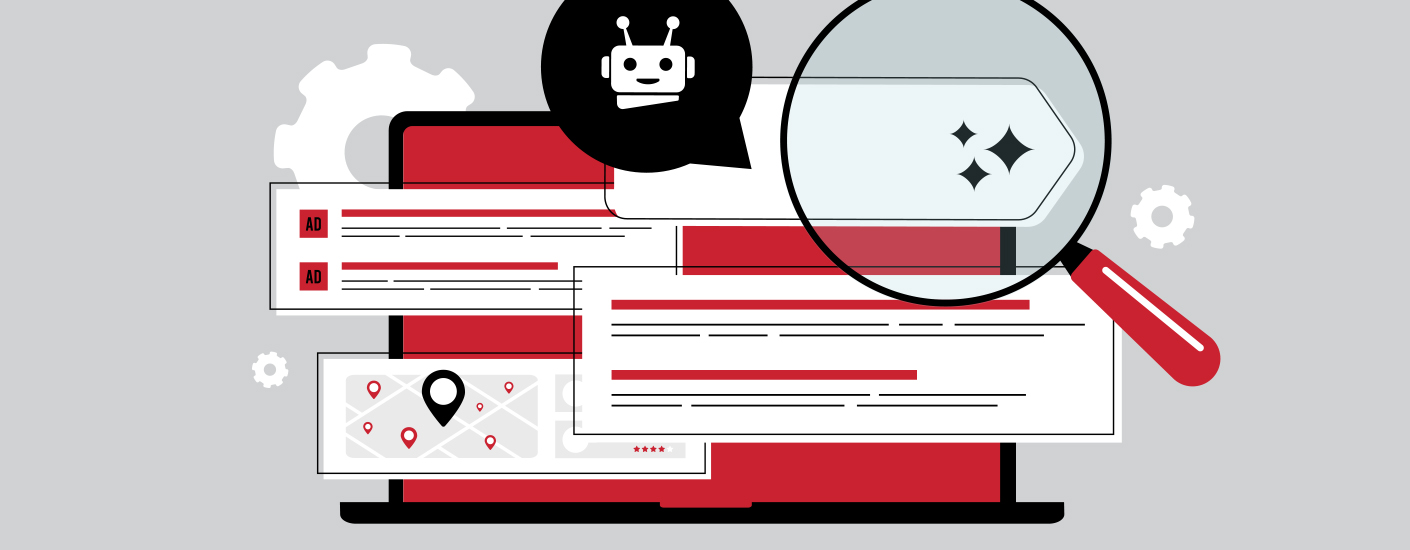
GEO marketing game changer

Good marketing has always been about storytelling, but the channels and measurement tools used to share those stories have evolved dramatically since its beginnings. The rapid growth of AI-personalization is already reshaping campaigns. Now there’s a new game in town – GEO (Generative Engine Optimization), and it will play a key role in determining if and how customers learn about your brand. 

GEO is the practice of optimizing content for AI-driven recommendations served up by AI platforms like ChatGPT, Gemini and Claude. Similar to how traditional SEO relies on backlinks and keywords to drive visibility on Google, GEO relies on clear, concise, and authoritative information that AI platforms collect and synthesize from across the web. For experts in any industry, from legal and financial professionals to contractors and engineers, GEO offers a new way for experts and companies to enhance their brand visibility and influence high-value digital conversations. 

Here are four ways your marketing team can ensure your brand surfaces in relevant AI-generated responses. 

Align Your Experts to Create Visibility 

The first step an organization should take is to determine what its brand wants to be known for, and which internal experts will help effectively deliver that message. Identify key topics, expertise areas or industry categories and develop core messages around these areas. Companies that start early to create content that answers customer search queries and feed the AI platforms will win. One recent study found that today, 77% of U.S. ChatGPT users treat it as a search engine, and 25% prefer it to Google for information retrieval. This will only grow over time.     

Build Content Clusters Around Key Topics

If you think that AI platforms will notice your brand if you write about a topic once or twice, think again. Whether you are an individual or a company, generative models search beyond keywords, seeking rich ideas and subtopics around your content. For example, instead of just writing one blog on the topic of cancer-fighting foods, build a series of social posts, a podcast interview, and maybe even a recipe book authored by a local nutrition expert. Build an annual editorial calendar that aligns with your expertise and ensure that you seed content in multiple locations throughout the year. For example, your nutritionist might post a Q/A on healthy cancer-fighting ingredients on META or seasonal articles like ‘here’s how to make your holiday comfort foods cancer-friendly’ on local media websites.  Changing the format of content pieces will be vital to ensure that it rises to the top of AI overviews. 

Leverage Reputable Media Sources

Whether it’s a bylined thought leadership article, inclusion in a round-up story about a key industry topic or a quote in a top business publication, whenever reputable outlets speak highly of your brand, AI models will notice and start pushing your content to the top of AI searches.  Trade outlets, in particular, can be an easier way to start, as industry publications are more open to contributed content, and you can often have more control over submitted content. Look for editorial guidelines on industry magazine websites and develop an annual editorial calendar of different topics you can write about. 

Look Beyond Traditional Media

As you pitch high-profile media outlets, make sure you explore other places that are often scraped and sourced by AI.  For example, Wikipedia is often a first stop for internet searches, and errors or misinformation can be picked up and spread quickly. Check these sites and update them regularly to ensure your brand is represented accurately. Other platforms like Google Reviews and forums like Reddit are also great content sources that feed AI platforms. Consider hosting or participating in Reddit AMAs (Ask Me Anything), where experts answer live questions in a public thread. These Q&As can rank well, get cited by journalists and provide signals to AI. An integrated marketing strategy, including one that connects owned content with organic social, is essential for staying ahead in generative engine optimization and the rapidly evolving world of AI-driven search. 

To learn more about how to boost your GEO strategy, reach out to Christel Henke, VP Earned Media, christelh@stirstuff.com. 

How to Reach Today’s Customer: Blending Paid Search with AI & Staying Ahead 

paid search ai blog banner, infographic style representation of digital landscape

The digital landscape continues to evolve quickly.  From Google’s AI-powered search experiences to tools like ChatGPT, users are changing how they interact with content. This shift leaves marketers asking: How and where should our content show up? 

Paid Search is a Powerhouse 

Despite changes, paid search advertising (Google and Bing Ads) remains one of the most effective and accessible digital marketing channels. Whether the goal is to generate leads, drive sales or boost local awareness, paid search drives measurable results—sometimes increasing visibility by as much as 80%. A recent study found that the average ROI for Google ads is 800%, or $8 for every $1 spent.

What makes paid search so powerful? User intent. When someone types into Google, “best office chair” or “moving companies near me,” they are already showing intent and are ready to click to buy.  

But Wait, Isn’t AI killing Clicks?  

It’s true that AI is changing the game. More users now find quick answers directly on search results pages, reducing traditional click-through rates. A study by Rand Fishkin found that 59% of searches now result in zero clicks.

But this doesn’t mean paid search is obsolete. In fact, AI is elevating the importance of having a smart, adaptive digital strategy, one that combines SEO and paid tactics to stay visible in evolving search environments. 

How AI Is Enhancing Paid Search 

Rather than disrupting paid search, AI is supercharging it, making campaigns smarter, faster and more effective: 

Faster Campaign Set-up 

One benefit of a paid search campaign is speed. Your business doesn’t have to wait months to climb the SEO ranks and appear organically. Instead, ads appear as soon as your campaign launches, which is helpful when rolling out new services, entering new markets or promoting time-sensitive offers.  AI is taking set-up to the next level by rapidly analyzing data, identifying optimal keywords and assisting with copy variations.

Smarter Audience Targeting 

While paid search already allows for granular targeting based on geography, demographics, audience behaviors and specific audience segments from first-party data, AI takes targeting to the next level. AI now analyzes large datasets – like user search history, online behavior and offline data – to pinpoint high-value audiences with even greater precision. This reduces wasted ad spend and gives marketers even more insight into which messages or offers convert best in different regions or audience segments.  

Another strong feature of paid search campaigns is the ability to control spending down to the dollar. Campaigns can be paused, adjusted and scaled in real time based on performance without waiting for algorithms or long-form content to take effect. 

Improved Organic Visibility 

To help meet your audience where they are, start by making your website easier to discover in search results and keep AI in mind. This means writing helpful content and organizing your website clearly so users and algorithms can navigate it easily. AI-powered search engines like Google are increasingly reliant on structured data, the behind-the-scenes code that describes your content. By using structured data, you help AI better understand what’s on your page, increasing your chances of being displayed in enhanced formats like featured snippets, FAQs and star ratings. 

AI is also changing user behavior: more people are finding what they need directly on the search engine results page (SERP), thanks to AI-generated summaries and instant answers. This means your organic content may take longer to drive traffic, as users engage less with individual websites. That’s where AI-enhanced paid search comes in. New AI tools make it easier to dynamically generate and optimize ad copy, refine targeting based on user behavior, and even predict which keywords will convert. These capabilities help you stay visible and competitive while you build out your longer-term, AI-friendly organic strategy. 

What’s the winning strategy? Show up and show up well. 

To stay competitive in this evolving landscape, marketers need a dual approach:  

  • Strong SEO to support long-term visibility and authority 
  • Paid search for immediate, targeted reach 

Showing up where it matters means appearing in AI summaries, local map results and through paid search ads. By combining these strategies, marketers create multiple points for their customers, no matter how they search or what stage of the buying journey they’re in. 

The digital landscape will only continue to evolve. Don’t just keep up; lead. At STIR, we build integrated strategies that help businesses stand out. Let’s talk about how we can help you show up—and lead—in this changing world. Reach out to STIR’s Digital Media Director, Maureen Breiner, at maureenb@stirstuff.com.