As we look ahead to 2026, it’s clear that influencer marketing is no longer the “new frontier” of social and digital marketing; it’s a rapidly evolving marketing discipline that continues to shape how consumers discover, connect with and trust brands.
The landscape has shifted from simple brand endorsements and broad awareness strategies to other forms of storytelling (think comedic skits, or personal narrative posts), measurable impact and long-term partnerships that blend creativity with accountability.
Here are five trends defining the next chapter of influencer marketing in 2026 and how smart brands can stay ahead of the curve.
Micro and Nano Influencers on the Rise
In 2025, nano (1K – 10K followers) and micro influencers (10K – 50K followers) delivered significantly higher engagement rates compared to mid-tier and macro influencers. Nano influencers produce 49.7% higher engagement than micro-influencers when content is tightly aligned with their niche.
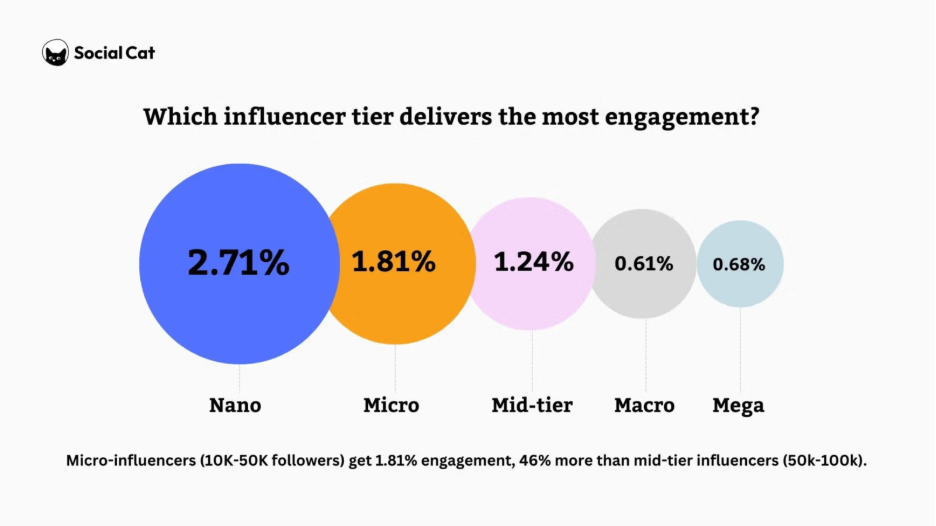
Why? Most of it boils down to trust and authenticity. Consumers have become weary of the once highly sought-after influencers, and many associate more followers with paid brand deals that take priority over sharing honest opinions and products or services they actually use. Nano and micro influencers have a small enough audience that allows them to still interact, share posts and products that aren’t sponsored, and maintain a level of trust and authenticity with their followers.
Beyond Awareness: Performance Metrics under the Microscope
Likes and reach used to suffice, but not anymore. Brands are increasingly demanding clear links between influencer activity and business outcomes (sales, leads, installs, lifetime value, etc.). And there’s evidence that it’s working. Performance-based influencer campaigns are generating 40% higher ROI than traditional flat-fee deals.
That means marketers are now measuring influencer success in the same way as they do paid ads. Tracking methods, such as UTM links, promo codes, and affiliate links, are becoming increasingly common for influencer campaigns.
Instead of asking influencers to post once and hope for the best, smart brands are developing content tactics and execution with clear deliverables, performance thresholds and incentives tied directly to outcomes.
Changes to Compensation Models
We know that audiences expect substance and authenticity, and brands now expect ROI that can be clearly traced, which has led to significant changes in compensation structures. Flat fees are no longer the default payment option. Many influencers will still work for a flat fee, but alternative models are rapidly gaining appeal. These alternative models suit varying budgets and can deliver better ROI for brands while rewarding performance and creativity for influencers.
Popular models include:
- Affiliate/commission-based pay: Influencers earn a percentage of sales/leads
- Hybrid models: Typically, a base fee + structured bonus pay for exceeding goals
- Product seeding/gifting + performance bonus: A product trade with structured bonus pay based on performance
AI’s Impact on Influencer Marketing
As AI continues to permeate all aspects of marketing and content creation, it’s also reshaping influencer marketing for both brands and influencers.
On the influencer side, AI is helping creators understand their audiences more deeply and analytics tools can now reveal follower authenticity, engagement quality and content performance. This allows influencers to refine their storytelling, posting schedule and timing, all the way to their platform mix and which channels to prioritize. Some are even using AI to write more engaging captions, analyze trends, and personalize outreach to brands for partnerships.
For brands, AI is drastically impacting how partnerships are identified and monitored. Specialty software platforms can sift through millions of profiles to pinpoint creators whose audiences genuinely align, not just by follower count, but by demographics, interests and engagement. After a campaign launches, AI-powered tools can track performance and measure ROI across every post, story and share.
Long-Term and Co-Creator Partnerships Hold Even More Value
One-off activations are fading. Long-term relationships through ambassador programs, multi-month campaigns and creator-led product lines are becoming the norm.
The benefit? Consistency, deeper narrative connection and better ROI over time. Audiences see continuity and commitment, rather than sporadic paid content.
Creators also welcome this deeper connection. Many prefer to invest in fewer, stronger relationships rather than a high volume of one-off deals. Brands that treat creators as collaborators rather than vendors will see better creative output, higher loyalty and stronger alignment with brand values.
At STIR, we’ve tracked these trends closely and have seen them play out in real-time both through conversations with influencers on behalf of our clients and through strategy meetings with clients to determine the best tactics for achieving our campaign goals. If you’re looking to level up your influencer marketing approach or are late to the game and unsure where to start, drop us a line and let’s discuss strategy!
Reach out to Brian Bennett at bbennett@stirstuff.com. We’ll help you navigate the ever-changing influencer marketing landscape.